Ministry of Basic and Secondary Education has described the record 202 940 candidates sitting for the 2025 Malawi School Certificate of Education (MSCE) examinations as a sign of growing confidence in the country’s education system.
Minister of Basic and Secondary Education Madalitso Kambauwa Wirima said this in an interview at Bwengu Community Day Secondary School in Mzimba North where she monitored the start of the 2025 MSCE examinations.
She attributed the increase by about 25 000 candidates from last year’s figure to ongoing reforms under the National Education Sector Investment Plan (NESIP) 2020–2030 and the National Girls Education Strategy.

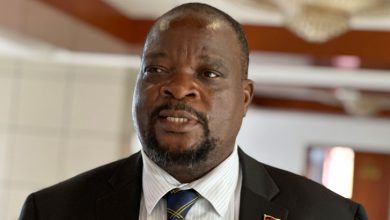
Bwengu CDSS. Inset is Kambauwa Wirima. | Allan Nyasulu
“This increase is more than just a number. It reflects our collective progress as a nation in expanding access to inclusive and equitable quality education,” said the minister.
There are 97 489 girls and 105 451 boys sitting for this year’s MSCE, up from 84 748 girls and 92 686 boys in 2024.
Kambauwa Wirima said the increase in female candidates’ participation reflects the positive impact of targeted initiatives aimed at keeping girls in school.
“We are seeing real gains under the National Girls Education Strategy. More girls are staying in school, completing secondary education, and sitting for their MSCE examinations,” she said.
In a separate interview, Civil Society Education Coalition executive director Benedicto Kondowe welcomed the increased enrolment, but warned that gains in girls’ education remained fragile without tackling barriers such as early marriage, poverty and unsafe learning environments.
He further cautioned that the growing number of candidates was a strain on examination administration.
“Risks include compromised exam security, logistical bottlenecks, and marking delays, particularly in poorly resourced schools. Strengthening capacity at all levels, investing in technology, and improving teacher training are critical to uphold quality and credibility,” said Kondowe.
To absorb the growing number of secondary school graduates, he said the government must expand and diversify tertiary and vocational education pathways linked to job market demands, supported by stronger private sector partnerships.